
In recent years, businesses across Chicago and the greater Chicagoland area have felt the weight of rising commercial property insurance premiums. According to an article published by the Insurance Journal, there have been 25 consecutive quarters of premium increases for commercial property insurance. As of the fourth quarter of 2023, overall commercial insurance premiums rose by an average of 7%, marking a trend that has persisted for over six years.
With these ongoing increases, many business owners are facing tough decisions as they forecast budgets for 2025. While there may be little that can be done to halt these rising costs, understanding the factors behind the increases is crucial for effective risk management.
The Top 4 Forces Affecting the Commercial Property Insurance Market
While many factors contribute to today’s challenging property insurance market, four key elements stand out:
- Catastrophe Losses
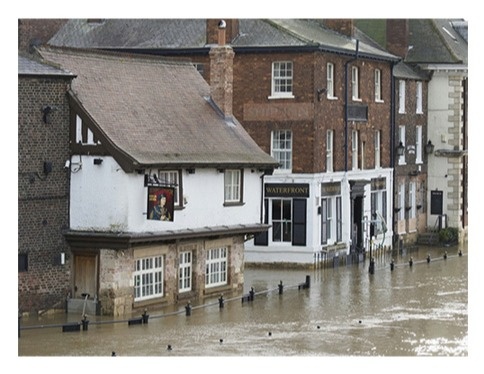
Major catastrophes such as hurricanes, floods, wildfires, tornadoes, and winter storms continue to stress the insurance industry. According to Travelers Insurance, these events have resulted in annual insured losses exceeding $100 billion globally over the last four years, with 2023 alone seeing total losses reach an astonishing $118 billion. Severe convective storms (SCS) accounted for 58% of these losses globally, underscoring the need for robust property & casualty insurance in Chicago. - Property Replacement Costs
Rising construction costs significantly impact property insurance rates. Nonresidential construction costs have surged by 37% over the past four years, driven by a 65% increase in fabricated structural steel and a 37% increase in concrete products. Additionally, machinery and equipment costs have increased by 22%. Many contractors in the Chicagoland area continue to face supply chain challenges, further exacerbating these rising costs. - Skilled Labor Shortage
Labor costs play a significant role in overall construction expenses, with wages rising by 22% over the last four years. Despite these increases, 77% of contractors report difficulties in finding skilled labor. This shortage contributes to higher rebuilding costs and longer project delays, potentially increasing business interruption losses. - Reinsurance Costs
Although there has been an improvement in reinsurance capacity heading into 2024, the costs associated with available capacity remain high. The ongoing effects of catastrophic events, combined with financial market volatility and inflation, continue to drive up expenses. Insurers often pass these costs along to their customers, including businesses in Chicago.
Preparing for an Evolving Commercial Property Market
Fortunately, property rate increases have begun to slow, as insurance companies are starting to address years of underwriting losses. For business owners, the key to navigating this evolving market is to control what can be controlled. Here are some proactive steps to take:
- Collaborate with J. Krug: Work with experts at J. Krug to develop a comprehensive risk management program focused on prevention, mitigation, avoidance, and transfer.
- Implement a Scheduled Maintenance Plan: Regular maintenance can prevent larger issues down the line.
- Repair and Replace Infrastructure: Ensure that roofs, electrical systems, and plumbing are up to date.
- Consider Increasing Property Deductibles: Higher deductibles may lower your premium costs.
- Develop a Disaster Recovery and Business Continuity Plan: This plan can help mitigate losses in case of an emergency.
By taking these steps, you’ll position your business to thrive despite the challenges posed by the commercial property insurance landscape in Chicago and beyond.
Sources:
Climate.Gov
Insurance Information Institutes
BLS
The Construction Association
Reinsurance News